Table of Contents
Medical Summary & Key Takeaways
- Vital Pulp Preservation Philosophy: Ultra-thin porcelain veneers (0.2mm – 0.5mm) involve only minimal preparation of the outermost enamel layer, preserving 100% of healthy vital pulp without causing dentin hypersensitivity or compromising natural tooth structure.
- Lithium Disilicate Glass-Ceramic Material (E.max Switzerland): Featuring a flexural strength of 400–500 MPa, it reflects light and exhibits a multi-layered natural fluorescence and opalescence comparable to precious jade.
- Microscopic Micro-Preparation: A 20X optical magnification enables clinicians to achieve an ultra-smooth finish line and biologically seamless marginal adaptation, completely preventing gingival inflammation and halitosis.
- 3D Digital Smile Design (DSD) Technology: Personalizes tooth anatomy according to facial anthropometry and individual charisma, allowing a direct intraoral mock-up trial before final ceramic fabrication.
1. What are 0.2mm Ultra-Thin Porcelain Veneers? The Pinnacle of Conservative Dentistry
In contemporary aesthetic dentistry, extensive tooth reduction for full-coverage crowns is considered outdated, as it inflicts irreversible trauma to the dental pulp and supporting structures. Porcelain Laminate Veneers emerged as a groundbreaking revolution, creating a flawless smile without compromising natural tooth vitality.
Porcelain laminate veneers are ultra-thin ceramic shells (ranging from just 0.2mm to 0.5mm, comparable to the thickness of a contact lens) securely bonded to the labial tooth surface using high-strength adhesive resin cement. This restoration seamlessly integrates with the natural enamel structure, forming a unified, resilient bond capable of withstanding masticatory forces for 20 to 30 years.
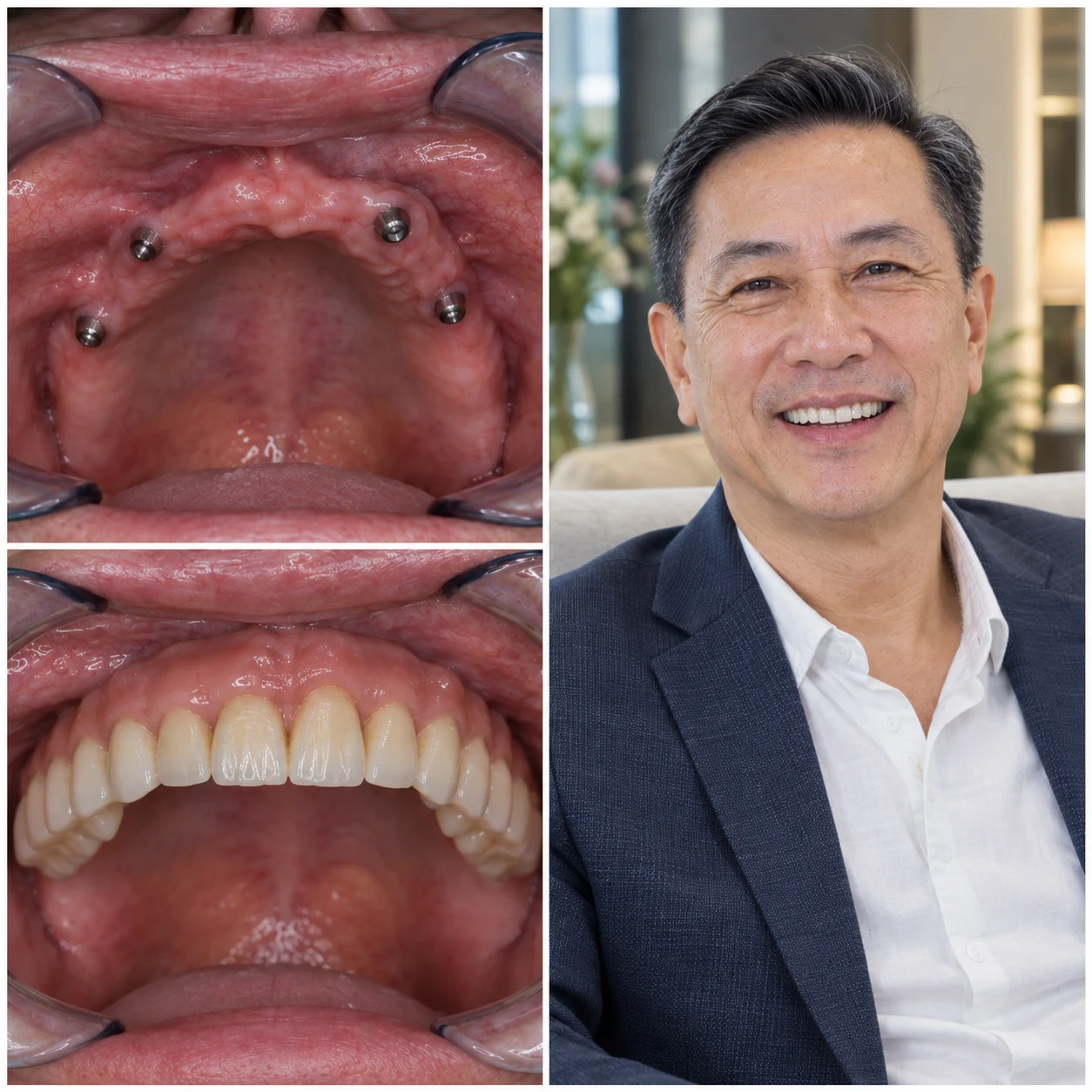
Clinical outcome of ultra-thin porcelain veneers: Soft tooth morphology, natural incisal translucency, and seamless gingival margin adaptation.
2. In-Depth Comparison: Ultra-Thin Porcelain Veneers vs. Full-Coverage Dental Crowns
The comparative analysis below illustrates the difference in histological tissue preservation between the two techniques:
| Clinical Criteria | Ultra-Thin Porcelain Veneers (Sante Dental Hospital) | Traditional Full-Coverage Ceramic Crowns |
|---|---|---|
| Enamel Reduction Ratio | Only 0.2mm – 0.5mm on the outer enamel surface (up to 0% reduction in diastema/spacing cases). | Deep reduction of 1.2mm – 2.0mm across all 5 surfaces of the tooth, resulting in a loss of 60%–70% of healthy tooth structure. |
| Dental pulp status | 100% vital pulp preservation. Teeth retain natural thermal sensation and food texture perception. | High risk of pulpitis and pulp necrosis due to excessive grinding invading the dentin and pulp chamber. |
| Aesthetic optical properties | Light penetrates through the ceramic layer and reflects off the natural enamel, creating a multi-dimensional, translucent, and luminous white shade. | More opaque due to the thick substructure framework, which can easily look artificial and chalky. |
| Gingival and periodontal health | Equigingival or supragingival margins eliminate gingival irritation and prevent halitosis. | Deep subgingival margins foster bacterial accumulation, leading to gingivitis, gingival recession, and cervical black lines. |

“A successful porcelain veneer restoration lies not merely in the exquisite thinness of the ceramic layer, but in the microsurgical preparation under dental microscopes and advanced multi-step bio-bonding protocols. Your natural teeth are honored and maximally preserved, delivering an elegant, refined smile without future concerns.”
3. When Should You Choose Porcelain Veneers?
- Yellowed teeth, mild-to-moderate Tetracycline staining, or dental fluorosis where professional whitening is no longer effective.
- Mild anterior diastema/spacing (under 2.5mm) desiring rapid aesthetic gap closure.
- Chipped teeth, minor fractures, or incisal edge wear caused by bruxism or biting hard foods.
- Irregular tooth morphology (microdontia, peg-shaped laterals) desiring reconstruction to golden smile proportions.
4. The 4-Step 'Quiet Luxury' Porcelain Veneer Protocol at Sante
- Step 1 – Digital Smile Design (DSD) & Mock-up Trial: Multi-angle portrait photography and dynamic smile videography are captured. The specialist designs the tooth anatomy using 3D software and applies a direct intraoral mockup for the patient to preview and approve the final smile design.
- Step 2 – Microscopic Tooth Preparation Under Dental Microscope & 3D Digital Impression: Gentle enamel surface conditioning is performed under an optical operating microscope, followed by high-precision 3D intraoral scanning with the 3Shape Trios system.
- Step 3 – Artisanal Hand-Layered Ceramic Crafting (Layering Technique): Master ceramists at Sante's in-house laboratory sculpt delicate mamelons, micro-textures, and seamless color gradations from the cervical margin to the incisal edge using Swiss E.max Press ingots.
- Step 4 – Permanent Veneer Bonding with Variolink Esthetic Bio-Resin Cement: The clinician trials the ceramic restorations using a try-in paste to evaluate the shade, followed by permanent bonding with specialized light-curing technology to ensure absolute microscopic marginal fit.
Receive Cost Estimate & Personalized 3D Treatment Plan
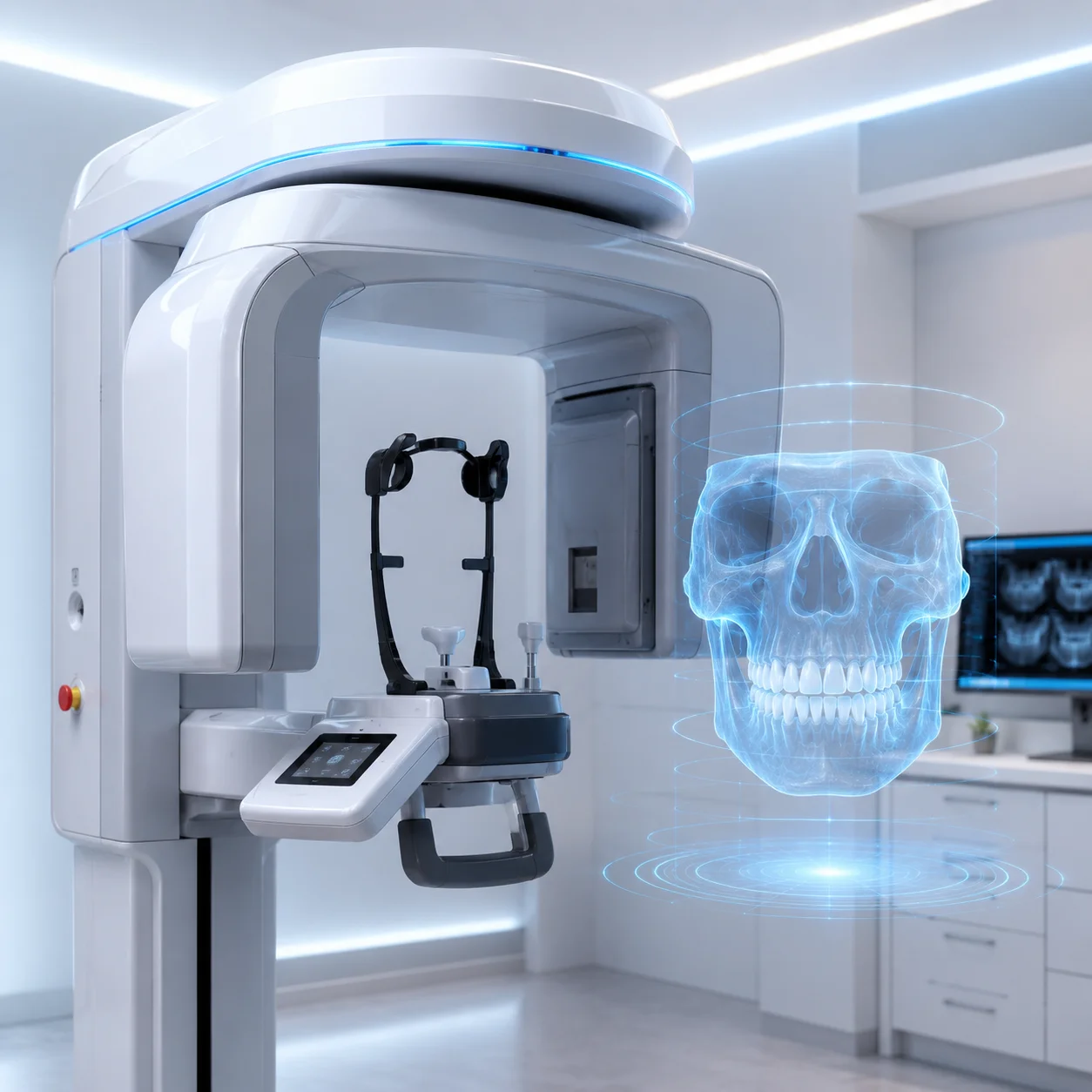
Sante's Board of Specialist Level I Doctors provides complimentary 3D Cone Beam CT imaging and consultations.