Table of Contents
Medical Summary & Key Takeaways
- Biological Principle: Dental implant surgery is the only technique that completely restores both root and crown, delivering physiological stimulation to bone tissue to prevent 100% of alveolar bone resorption following tooth loss.
- Standard 3-Part Medical Architecture: Implant Fixture (Grade 4/5 Titanium with SLA/SLActive surface treatment) – Biological Abutment – Monolithic Ceramic Crown (Zirconia/Cercon/Lava Esthetic).
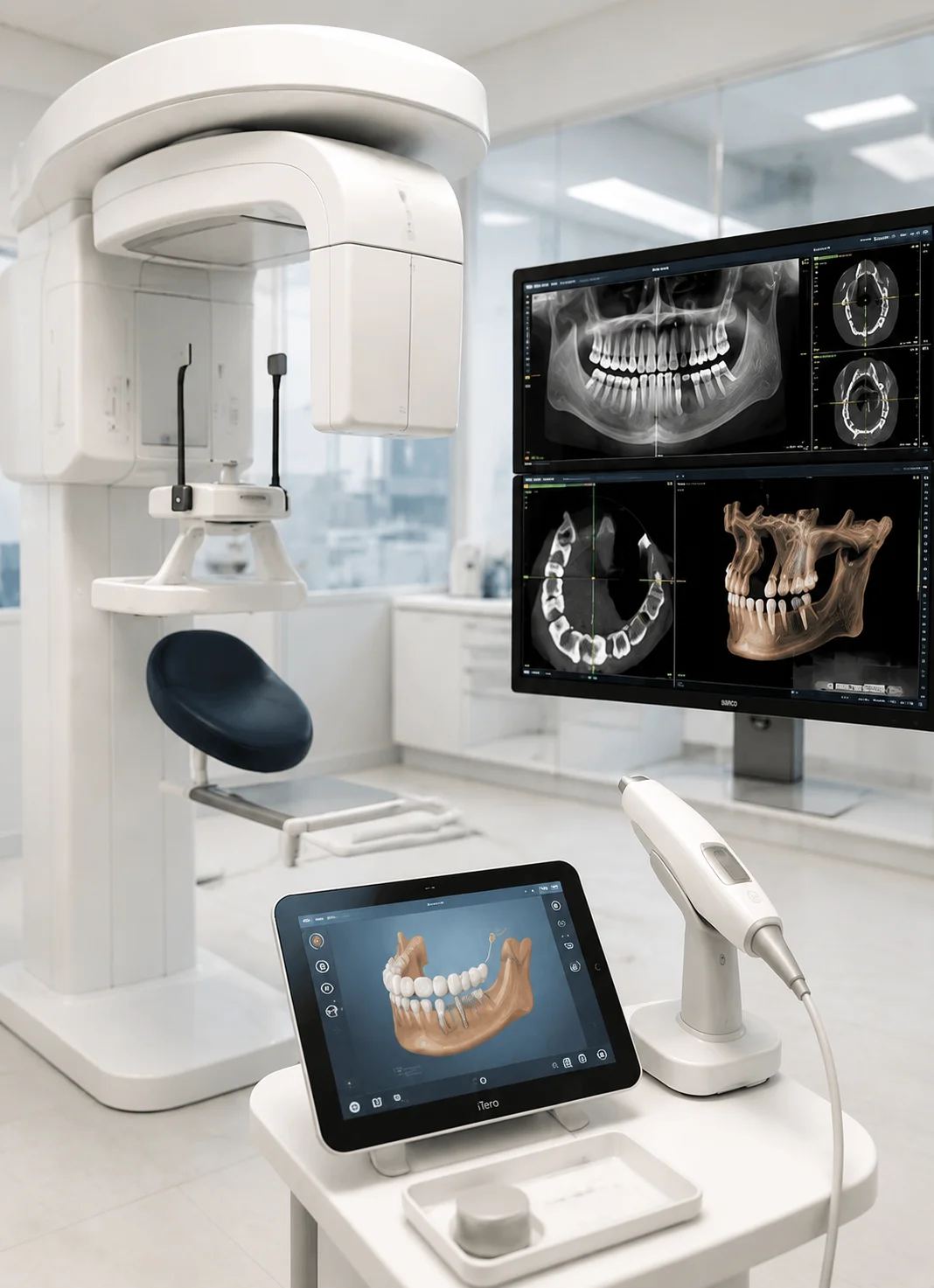
- 3D Diagnostic Protocol: 100% of surgical procedures at Sante Hospital strictly require Cone Beam 3D CT imaging to assess bone mineral density (HU), crestal bone height, and accurately map the inferior alveolar nerve canal.
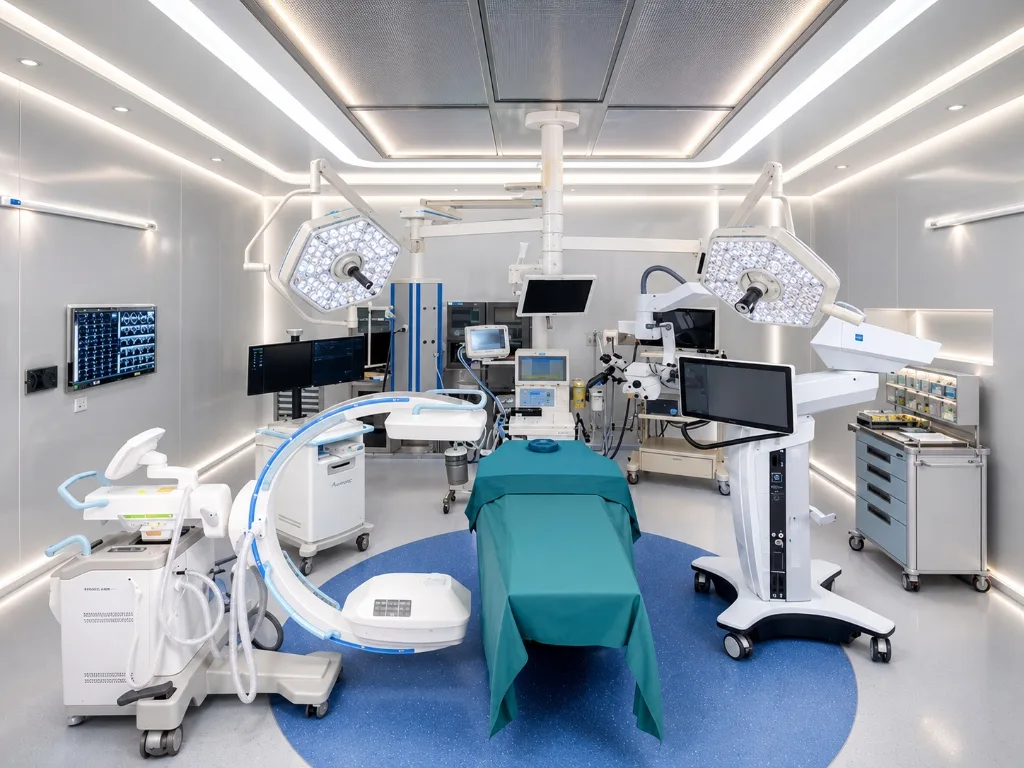
- Hospital-Grade Operating Theatre Standards: Surgeries are performed within absolute sterile positive-pressure operating rooms, integrated with real-time dynamic navigation systems for flapless, minimally invasive intervention, eliminating swelling and pain while accelerating tissue healing.
1. What Are Dental Implants? Detailed Anatomical Architecture
Dental implant surgery (Dental Implantology) is a specialized surgical discipline within Stomatology and Maxillofacial Surgery. The principle involves utilizing a biocompatible metal post acting as an artificial tooth root, directly placed into the jawbone by a specialist at the site of tooth loss.
The fundamental distinction between dental implants and traditional restorative methods is the ability to achieve osseointegration (Osseointegration). As osteoblasts proliferate and securely integrate into the microstructures of the titanium screw threads, the implant fixture becomes a permanent part of the living anatomy, establishing an unshakeable foundation to support a single crown, an extended bridge, or a full-arch prosthesis.
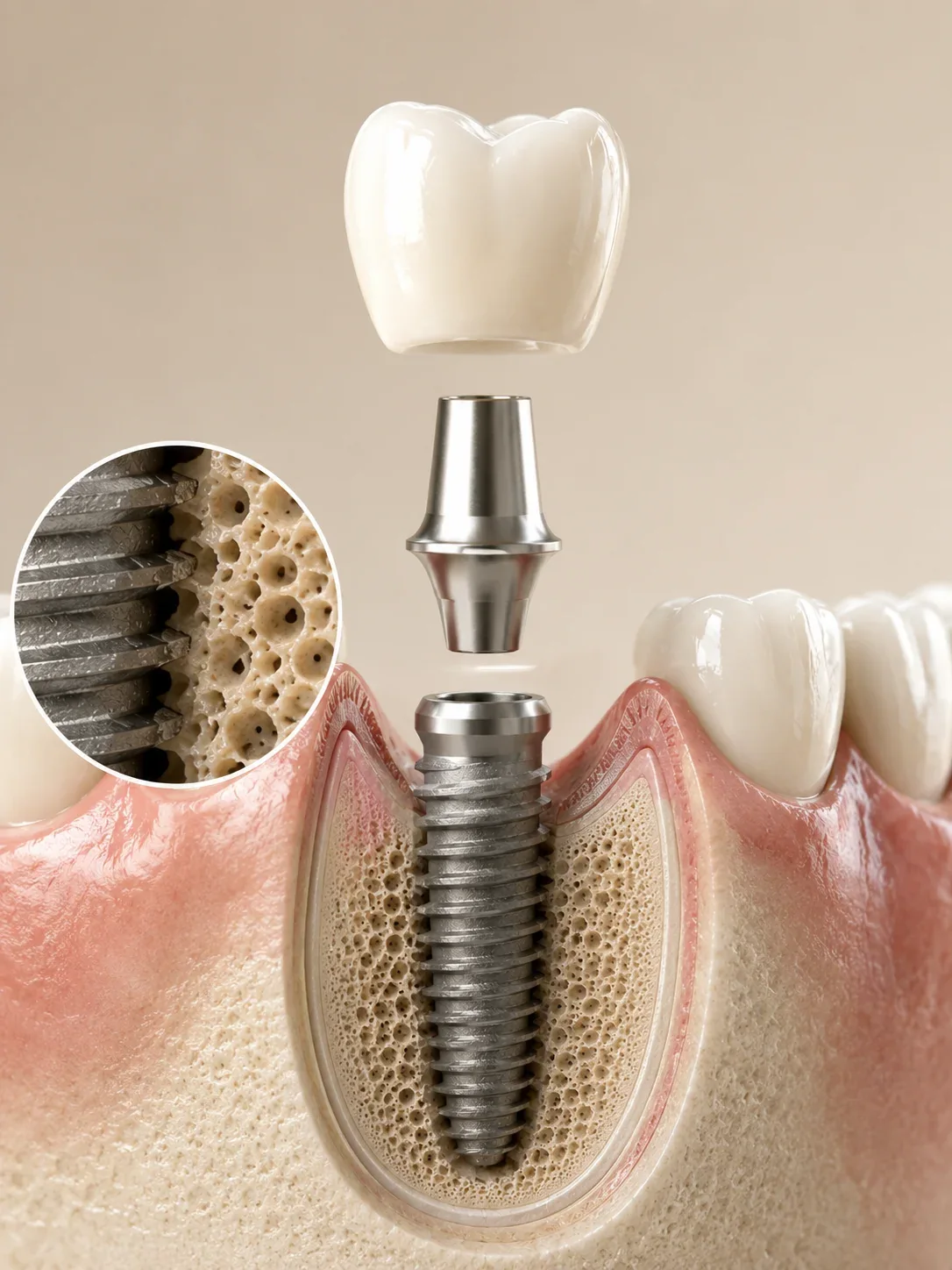
Anatomical Diagram: The biocompatible titanium implant is firmly anchored in the jawbone, the abutment creates a biological gingival margin, and the prosthetic ceramic crown withstands masticatory forces.
Three-part anatomical structure of a dental implant:
-
Implant Fixture (Dental Implant Body):
Precision-machined from pure titanium alloy (Grade 4 or Ti-Zr Roxolid). The fixture surface is treated with sandblasted, acid-etched (SLA) or hydrophilic ion-coating (SLActive) technology, substantially increasing contact area with blood cells and accelerating new bone formation up to threefold.
-
Connecting Abutment:
Acts as a biological core connecting the subgingival implant fixture securely to the supragingival ceramic crown via a specialized hexagonal prosthetic screw (25–35 Ncm torque). Abutments are crafted from Titanium or Zirconia depending on the aesthetic demands of anterior or posterior zones.
-
Prosthetic Ceramic Crown:
The visible portion of the tooth along the dental arch, digitally designed and milled via advanced 3D CAD/CAM technology. Monolithic zirconia/ceramic materials (Cercon HT, Multilayer Zirconia, Lava Plus) deliver a flexural strength of 1200 to 1500 MPa, which is 4–5 times stronger than natural tooth enamel.
2. Clinical Comparison: Dental Implants vs. Traditional Dental Bridges vs. Removable Dentures
From a specialized clinical perspective, comparing tooth restoration methods must be evaluated across 4 key criteria: Preservation of natural tooth structure, prevention of jawbone resorption, masticatory strength, and gingival tissue biology.
| Clinical Factors | Digital Dental Implant Surgery (Sante Hospital) | Traditional Porcelain Bridge | Conventional Removable Denture |
|---|---|---|---|
| Preservation of Adjacent Teeth | 100% Intact Preservation. Does not compromise adjacent teeth. | Severe Tooth Structure Invasiveness. Requires grinding down two healthy adjacent teeth to serve as supporting abutments. | Uses metal clasps that exert pressure, causing mobility and enamel wear on anchor teeth. |
| Alveolar Bone Resorption | 100% Prevention of Bone Loss as masticatory forces are transmitted directly through the fixture into the jawbone. | Continuous Bone Resorption at the missing tooth site beneath the pontic, creating gaps that trap food and cause halitosis. | Rapid bone loss occurs at the fastest rate. Gums recede and alveolar ridges resorb, causing facial muscle deformity and premature sunken facial contours. |
| Masticatory Efficiency | Reaches 99% – 100% comparable to natural teeth. Comfortably enjoy hard, chewy, and crunchy foods. | Achieves approximately 60% – 70%. Excessively hard foods must be avoided due to the risk of dental bridge fracture. | Reaches only 25% – 35%. Weak biting force, accompanied by gum irritation and soreness during chewing. |
| Clinical Longevity | 25 years to a lifetime with proper oral care. Genuine global warranty included. | Averages 5 – 7 years, after which the bridge must be removed and replaced due to dental caries or structural compromise in the two supporting abutment teeth. | Requires relining or remaking every 3 – 5 years due to progressive gum atrophy causing instability. |
| Sensation & Comfort | Firmly anchored and completely unobtrusive, restoring natural taste and sensory perception. | Fixed in place but difficult to clean beneath the pontic, predisposing to gingival inflammation. | Prone to dislodgement while speaking, bulky against the palate, and diminishes culinary enjoyment. |
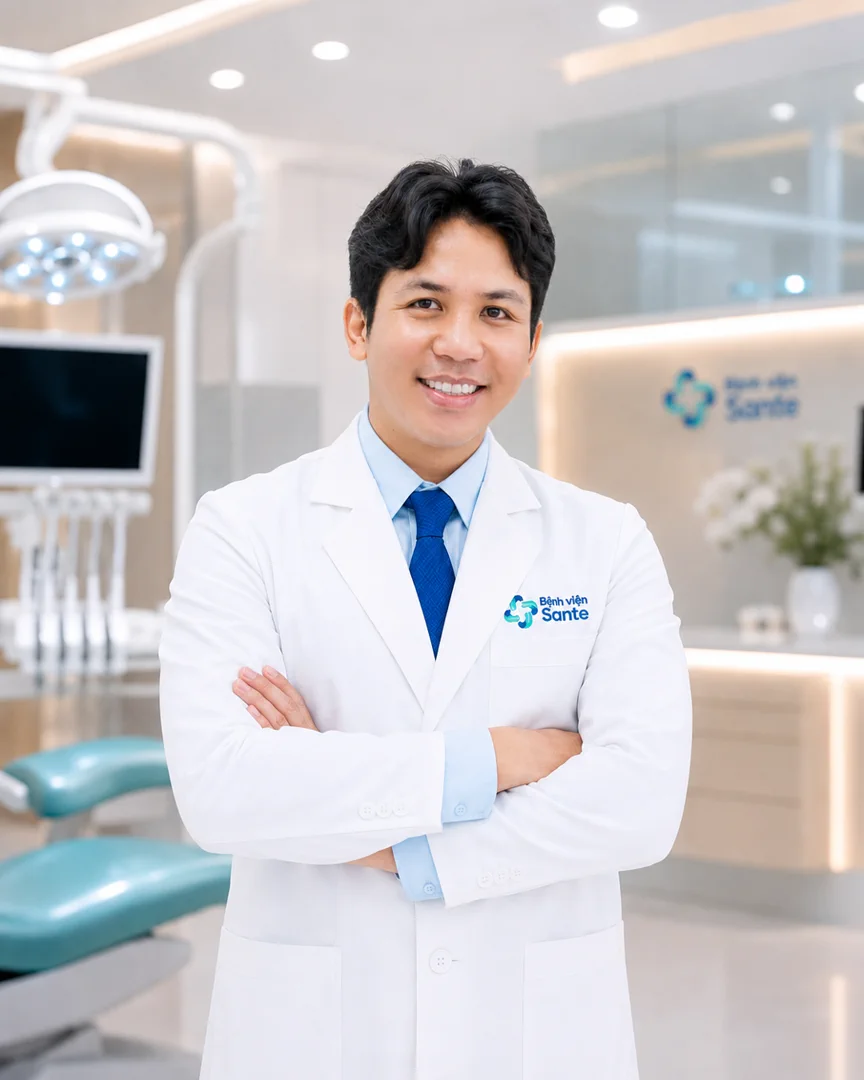
“Many patients opt for porcelain bridges or removable dentures out of fear of pain. However, after 5 to 10 years, this often results in significant jawbone resorption and the eventual loss of the two adjacent abutment teeth. At Sante Hospital, utilizing flapless guided navigation and conscious sedation techniques, dental implant surgery is performed gently in just 15 minutes, permanently resolving tooth loss for a lifetime.”
3. Indications and Contraindications for Dental Implant Surgery
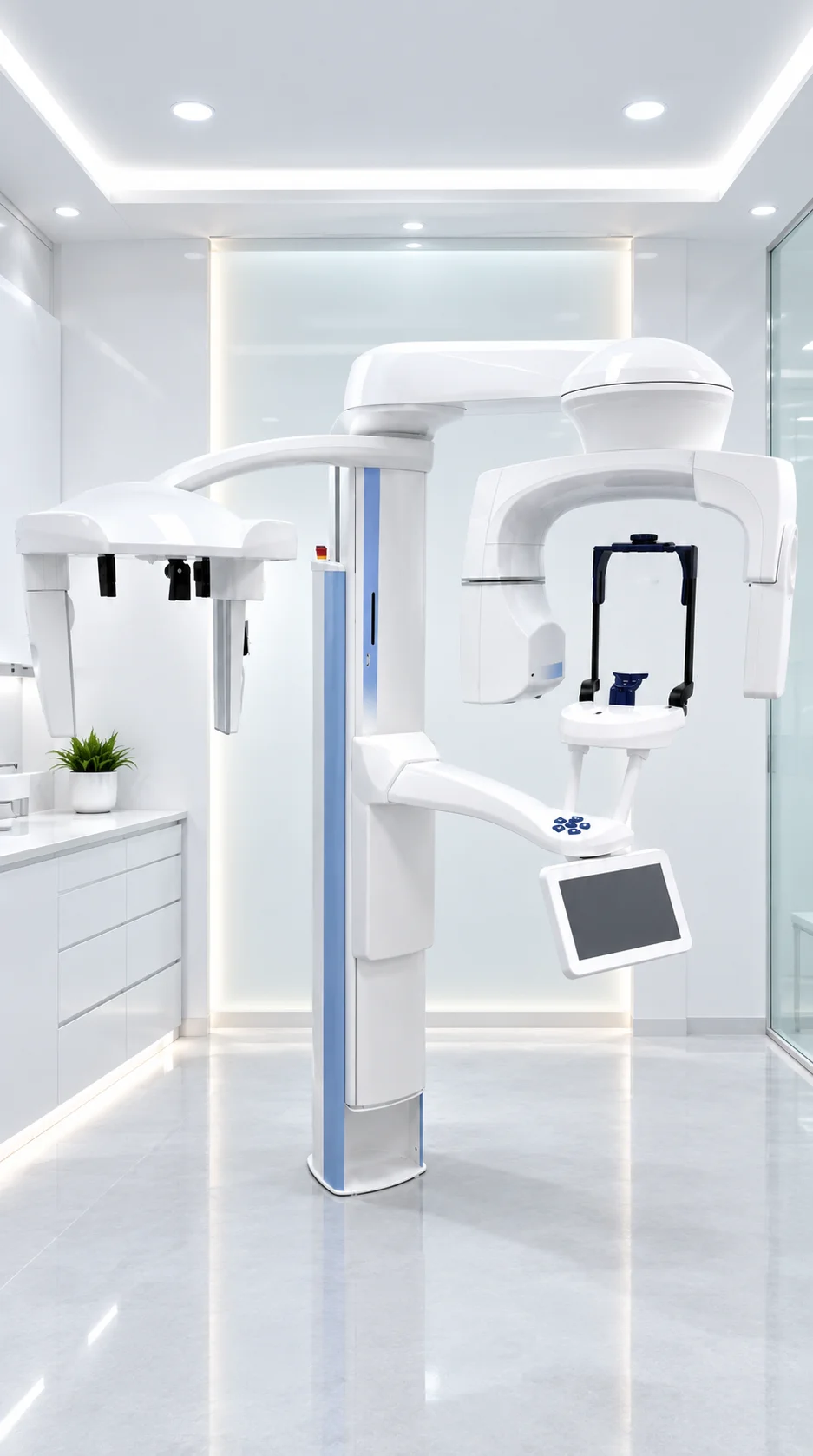
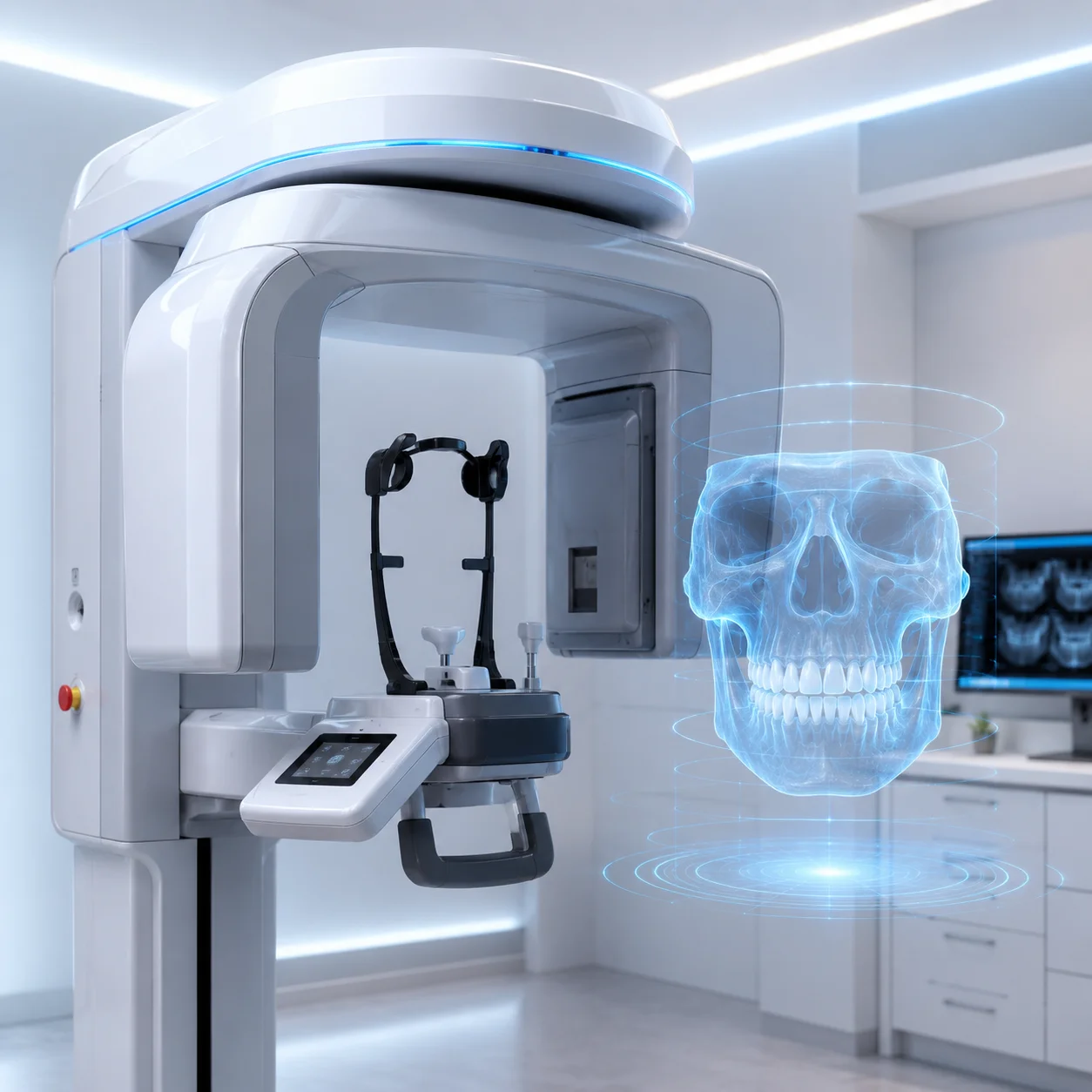
Ultra-low-dose 3D Cone Beam CT imaging system, precisely visualizing bone density and the maxillofacial neurovascular network.
3.1. Clinical Indications for Dental Implant Surgery:
- Single tooth loss (aesthetic anterior zone or load-bearing posterior molar).
- Multiple missing adjacent teeth or multiple non-adjacent missing teeth across the dental arch.
- Complete edentulism in a single arch or both maxillary and mandibular arches.
- Patients unable to tolerate removable dentures due to a severe gag reflex or severe, flattened alveolar ridge resorption.
- Patients with failing existing porcelain bridges, pulpitis in abutment teeth, or subgingival caries beneath the bridge margin.
3.2. Absolute and relative contraindications:
- Absolute contraindications: Pregnant women, patients under 18 years of age (incomplete jawbone growth and development), oncology patients currently undergoing head and neck radiotherapy, or those receiving intravenous bisphosphonate therapy.
- Relative contraindications (Dental implant surgery may proceed following medical stabilization):
- Patients with diabetes mellitus: Fasting blood glucose must be regulated below 7.5 mmol/L and HbA1c below 7.5%.
- Patients with cardiovascular conditions and hypertension: Collaborate with internal medicine specialists to adjust anticoagulant medications and stabilize blood pressure prior to surgery.
- Heavy smokers: Smoking cessation is required at least 2 weeks prior to and 4 weeks following surgery to ensure optimal vascular nourishment to the periosteum.
- Deficient jawbone volume or sinus pneumatization: Bone grafting with biomaterials and PRF membranes, or maxillary sinus lifting, is required prior to or simultaneously with dental implant placement.
4. The 5-Step Hospital-Grade Dental Implant Protocol at Sante
Toàn bộ quy trình tại Bệnh viện Nha khoa Quốc tế Sante tuân thủ nghiêm ngặt phác đồ điều trị của Bộ Y Tế và hướng dẫn của Hiệp hội Cấy ghép Nha khoa Quốc tế (ITI):
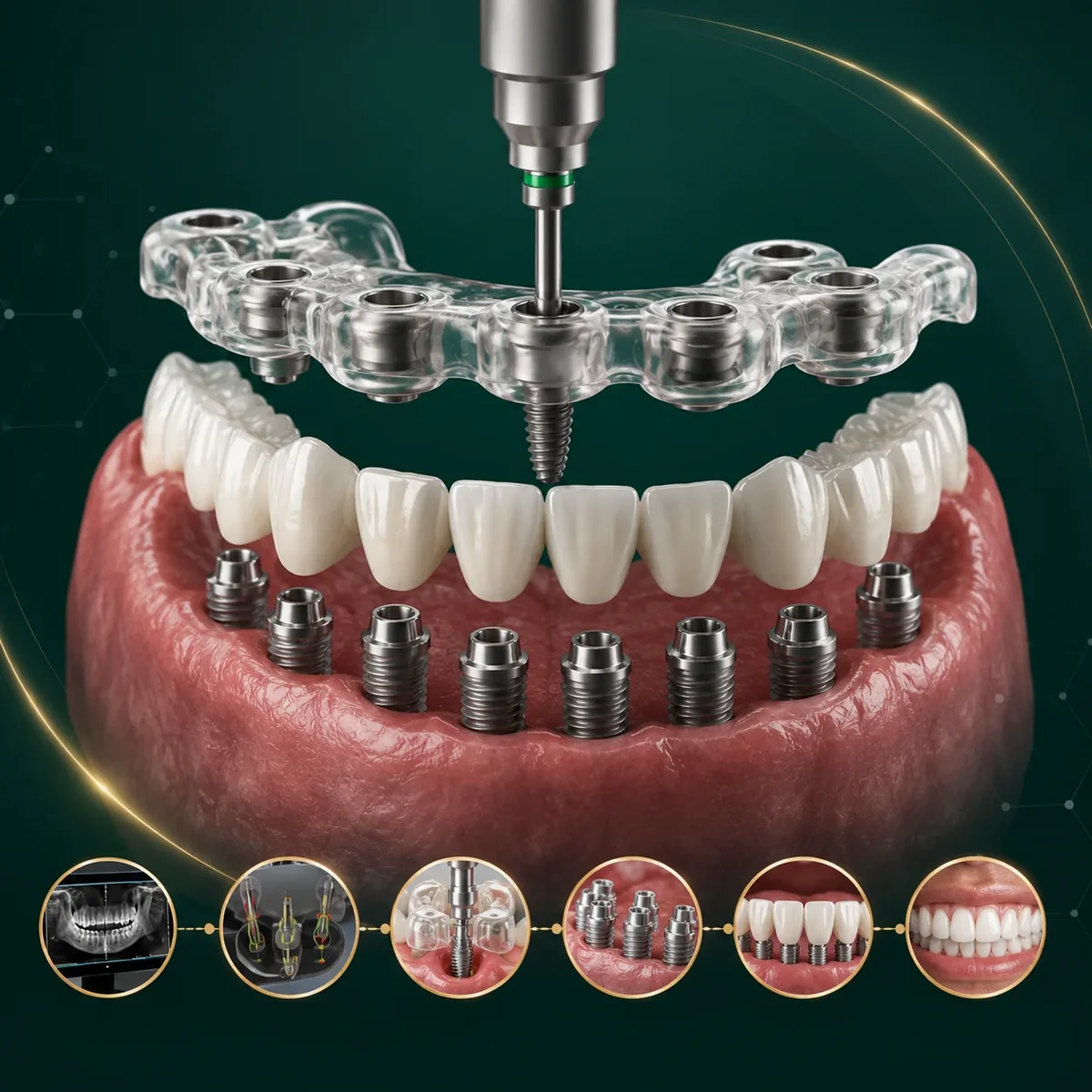
Closed-loop digital dental implant journey: 3D Examination -> Positive-Pressure Surgery -> Osseointegration -> CAD/CAM Porcelain Restoration.
-
Step 1: Comprehensive Examination & 3D Cone Beam CT Scan (Day 1)
The specialist measures bone density (Hounsfield units), alveolar ridge height and width, and screens the maxillary sinus and inferior alveolar nerve canal. 3D digital impressions are precisely captured using the 3Shape Trios/Emerald intraoral scanner.
-
Step 2: Digital Implant Treatment Planning & 3D Surgical Guide Fabrication
CBCT imaging and intraoral scan data are integrated into specialized software. The specialist simulates the exact 3D position, angulation, and depth of the implant fixture, then prints a custom 3D surgical guide for 100% precise drill guidance.
-
Step 3: Dental Implant Placement in a Positive-Pressure Operating Suite (15–20 minutes/implant)
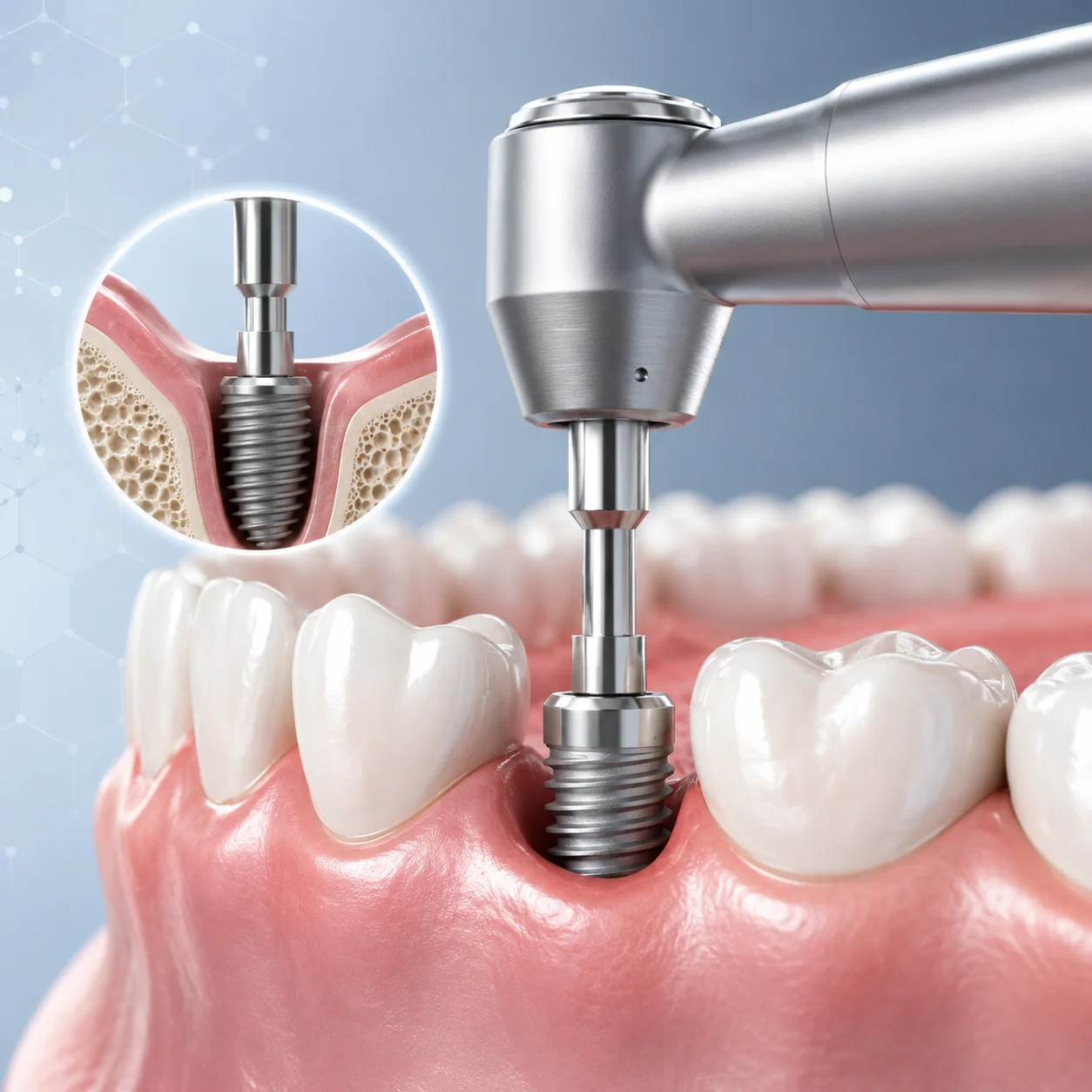
Painless local anesthesia or intravenous conscious sedation is administered. The specialist places the dental implant through the surgical guide using the flapless technique (minimizing gingival incisions). Immediate aesthetic provisional restorations are loaded on the same day for anterior cases.
-
Step 4: Periodic Follow-up & Osseointegration Assessment (After 3–4 weeks)
Follow-up X-rays evaluate trabecular bone integration around the implant fixture. The osseointegration period ranges from 3–4 weeks (with Swiss Straumann SLActive implants) to 8–12 weeks (with standard implant lines).
-
Step 5: Prosthetic Impressions & Final Fixed Ceramic Crown Delivery
The abutment and monolithic ceramic crown are securely affixed onto the dental implant. The specialist meticulously verifies maximum intercuspal occlusion and bite force distribution, delivers an authentic global electronic warranty card, and provides tailored oral hygiene instructions with a dedicated water flosser.
Clinical Safety Warning from Dental Specialists: Never undergo dental implant surgery at small clinics lacking on-site 3D CT imaging or dedicated sterile surgical suites. Incorrect implant placement can cause nerve damage leading to permanent numbness in the lip and chin, or trigger peri-implantitis resulting in implant rejection.
5. Cost Determinants and Transparent Dental Implant Price List at Sante
The comprehensive all-inclusive cost of dental implant surgery at a specialized hospital depends on 3 primary components:
- Origin and surface treatment technology of the implant fixture: Implant systems from South Korea (Biotem, Osstem), the USA (Dentium SuperLine, Nobel Biocare), or Switzerland (Straumann SLActive).
- Porcelain crown material: Titanium-fused porcelain, Zirconia, Cercon HT, or premium glass-ceramic Lava Plus.
- Concomitant jawbone condition: Whether artificial bone grafting, autologous PRF membrane placement, or sinus lift surgery is required.
| Dental Implant Systems | Origin | Osseointegration Period | Warranty Policy |
|---|---|---|---|
| Genuine Korean Dental Implants (Biotem / Dentium) | Korea | 8 – 12 weeks | 15-Year Genuine Manufacturer Warranty |
| Implant Mỹ / Châu Âu Cao Cấp (Dentium USA / Megagen) | Mỹ / Châu Âu | 6 – 8 weeks | 20-Year Genuine Manufacturer Warranty |
| Swiss Hydrophilic Surface-Treated Dental Implants (Straumann SLActive) | Switzerland | 3 – 4 weeks (Ultra-Fast Healing) | Global Lifetime Warranty |
Receive Cost Estimate & Personalized 3D Treatment Plan
Sante's Board of Specialist Level I Doctors provides complimentary 3D Cone Beam CT imaging and consultations.